
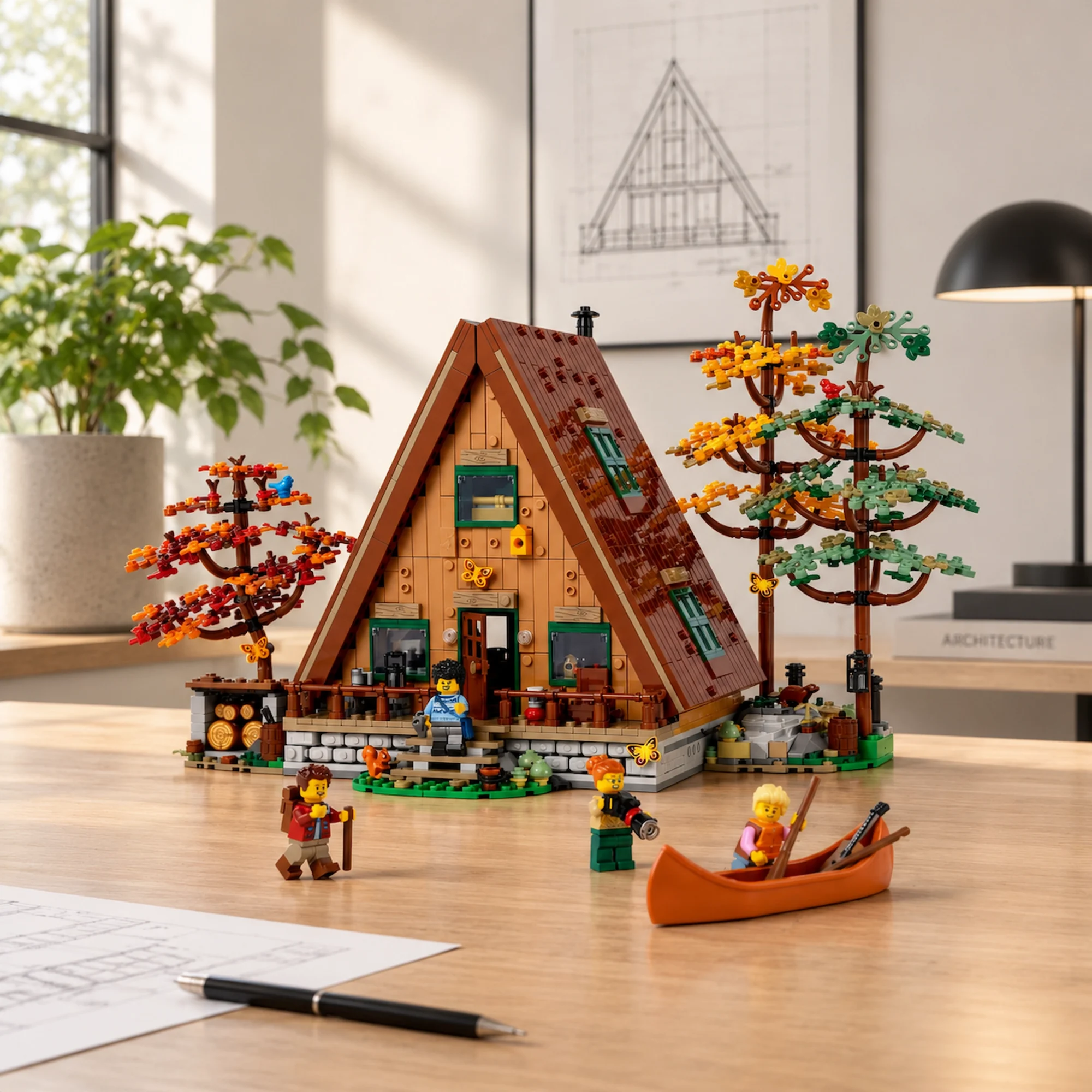
Lego A-Frame Cabin on Amazon (affiliate)
LEGO Architecture: How LEGO Bricks Inspire Architectural Design
Before a building is constructed, it often begins as a model. LEGO makes architectural thinking accessible, giving anyone the opportunity to design, experiment, and build their vision brick by brick. From students to professional designers, LEGO Architecture has become a valuable tool for exploring creativity, structure, and building design.
Why LEGO Is Perfect for Learning Architecture
LEGO is more than a construction toy. It is a hands-on introduction to important architectural concepts such as scale, proportion, balance, and spatial planning. By assembling bricks into buildings and cityscapes, builders gain a better understanding of how structures are designed and how different elements work together.
Unlike traditional architectural models, LEGO allows for quick experimentation. Builders can easily modify layouts, test new ideas, and refine designs without starting from scratch.
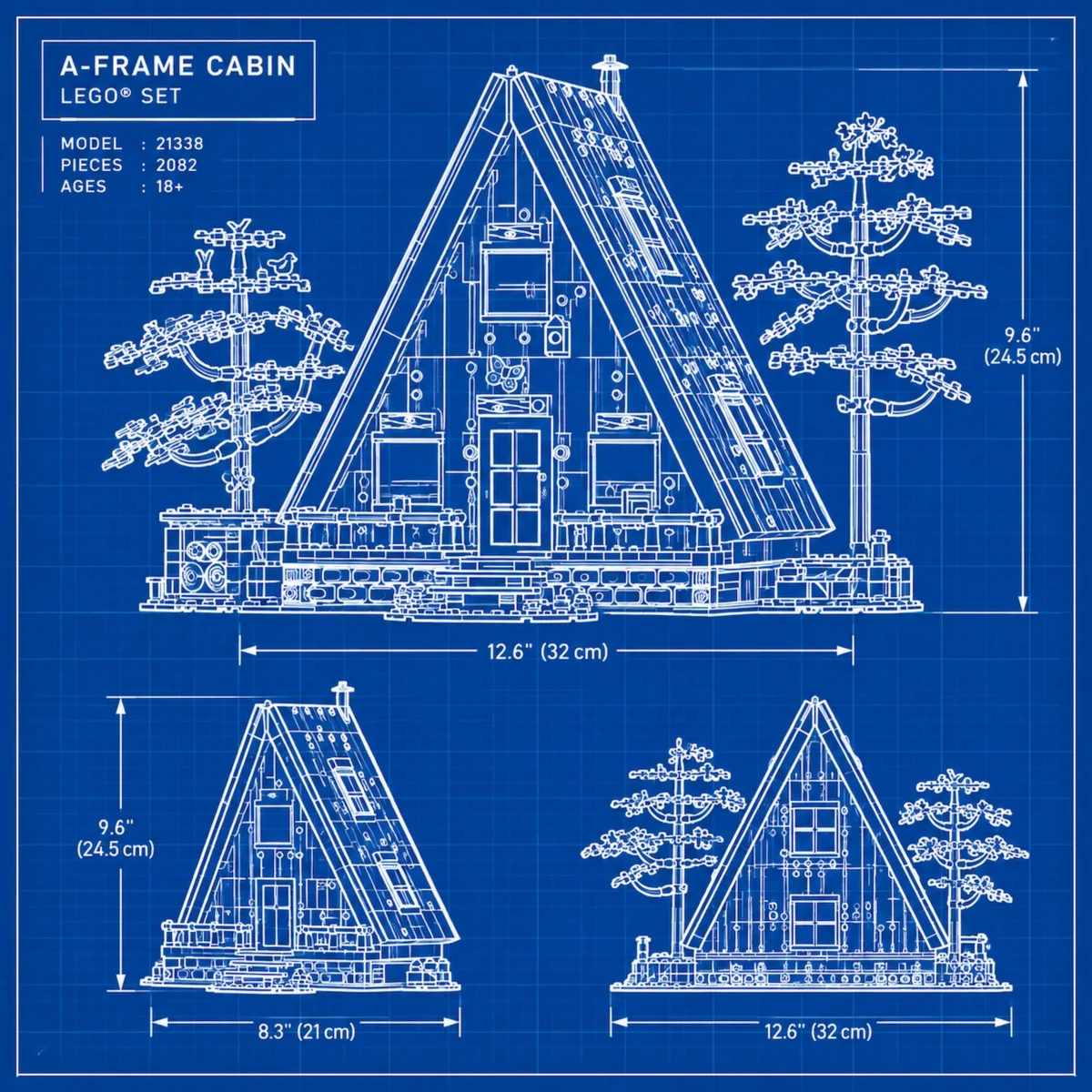
LEGO Architecture and Scale Modeling
One of the most important aspects of architecture is the ability to transform ideas into physical models. Architects regularly use scale models to visualize projects before construction begins, and LEGO offers a simple way to practice the same process.
Whether recreating a famous landmark or designing an original structure, LEGO encourages builders to think critically about dimensions, form, and functionality. This makes it a useful learning tool for aspiring architects and design students.
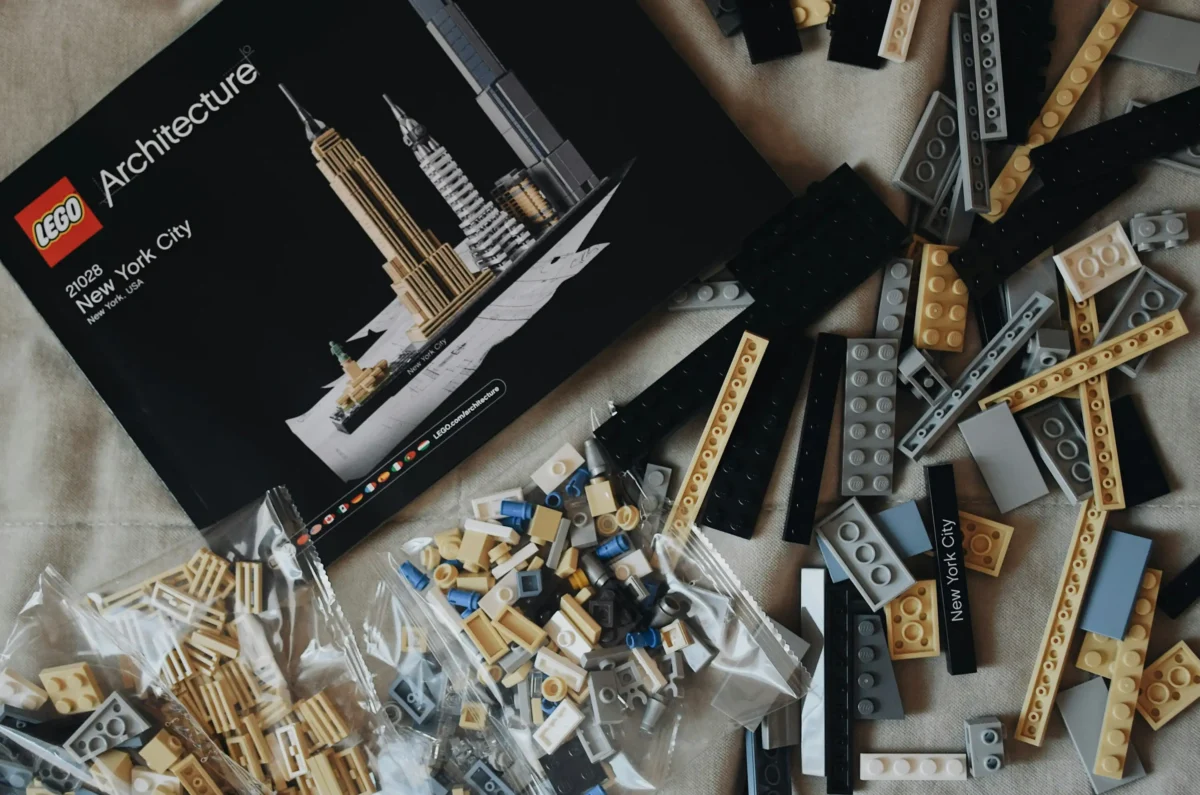
Lego Architecture New York City on Amazon (affiliate)
The Popularity of LEGO Architecture Sets
The LEGO Architecture collection showcases some of the world’s most iconic buildings and skylines. These sets allow enthusiasts to study architectural details while recreating landmarks in miniature form.
Building these models helps users develop a greater appreciation for architectural history, urban planning, and engineering. The popularity of LEGO Architecture sets demonstrates the growing connection between construction toys and professional design principles.
Encouraging Creativity Through Architectural Design
One of the greatest strengths of LEGO is its flexibility. Builders are not limited to existing structures and can instead create sustainable homes, futuristic skyscrapers, public spaces, or entire cities.
This creative freedom encourages innovation and problem-solving, two essential skills in architecture. Every project becomes an opportunity to explore new concepts and improve design thinking.
Conclusion
LEGO Architecture bridges the gap between imagination and real-world building design. By combining creativity with practical architectural principles, LEGO helps builders of all ages develop a deeper understanding of architecture, engineering, and urban planning.
Whether you are a student exploring architecture for the first time or an experienced designer looking for inspiration, LEGO proves that great buildings often begin with the simplest building blocks.
One of the most important aspects of architecture is the ability to transform ideas into physical models. Architects regularly use scale models to visualize projects before construction begins, and LEGO offers a simple way to practice the same process.
Whether recreating a famous landmark or designing an original structure, LEGO encourages builders to think critically about dimensions, form, and functionality. This makes it a useful learning tool for aspiring architects and design students.
Affiliate Disclosure: This article may contain affiliate links. If you purchase a product through these links, I may earn a small commission at no additional cost to you. I only recommend products that I believe provide value to readers. Thank you for supporting this site.
LEGO Architecture New York City photo by Dmitry Mashkin